
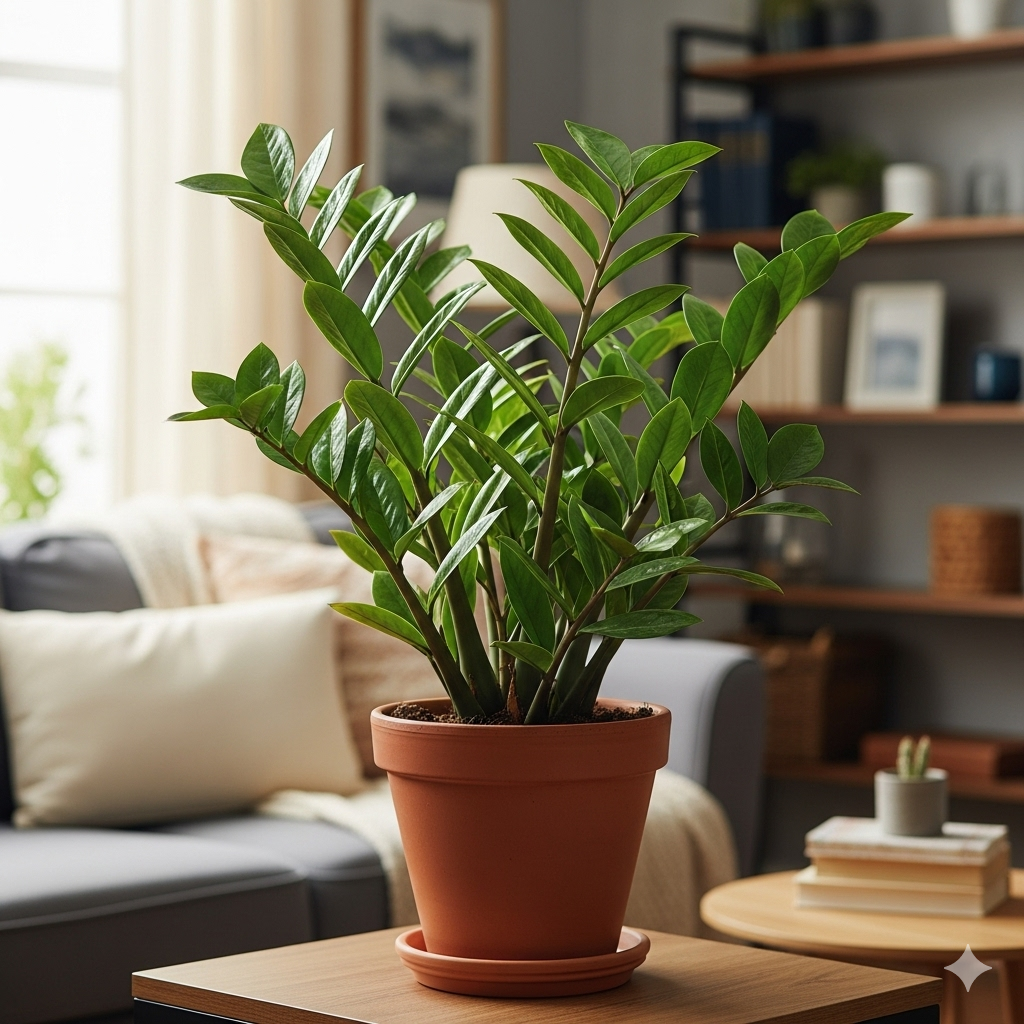
The ZZ plant (Zamioculcas zamiifolia) is one of the most popular indoor plants today, and for good reason. Known for its glossy green leaves, tough nature, and ability to thrive with minimal care, this plant is often considered a perfect choice for beginners and busy plant owners. While it is frequently praised for surviving in low-light spaces, there is still some confusion about what kind of light helps the ZZ plant truly thrive. Understanding its lighting requirements is the key to keeping your ZZ plant healthy, vibrant, and long-lived.
Why the ZZ Plant is Considered Low-Maintenance
Native to Eastern Africa, the ZZ plant has evolved in regions where it often experiences periods of drought and limited light under taller vegetation. This background has made it incredibly resilient, earning it a reputation as a nearly indestructible houseplant. Its underground rhizomes act like storage units, holding water and nutrients that allow the plant to survive neglect. While this resilience includes tolerance to different light levels, the ZZ plant still has preferences that can maximize its growth and appearance.
Can ZZ Plants Survive in Low Light?
One of the reasons the ZZ plant is so popular is its ability to live in low-light conditions where other plants may fail. It is often placed in offices, bathrooms, and darker corners of homes where windows provide little natural light. Indeed, ZZ plants can adapt to these spaces, making them highly versatile.
However, it is important to understand that “survive” does not necessarily mean “thrive.” In consistently dim spaces, growth may become slow, new shoots will appear infrequently, and the plant may lose some of its lush vibrancy. Over long periods, extremely low light can weaken the plant, making it more prone to root rot or pest issues.
The Best Lighting for ZZ Plants
For optimal health and growth, ZZ plants prefer bright, indirect light. A spot near an east- or north-facing window is ideal, as the plant will receive gentle light that is not harsh enough to burn the leaves. South- or west-facing windows can also work if the plant is placed a few feet away from direct rays or protected with a sheer curtain.
When given enough indirect light, a ZZ plant will grow more consistently, producing new shoots and maintaining a rich green color. Some varieties, like the striking Raven ZZ with its deep purple-black leaves, also show better coloration when exposed to brighter conditions.
Can ZZ Plants Handle Direct Sunlight?
Unlike some sun-loving houseplants, ZZ plants do not tolerate long hours of direct sunlight. Harsh rays can scorch their waxy leaves, leaving unsightly brown or yellow patches. If you place a ZZ plant on a bright windowsill, make sure it is shielded by a sheer curtain or set slightly back from the window to diffuse the intensity.
Recognizing Light-Related Problems
A ZZ plant’s appearance often provides clues about whether it is getting the right amount of light. Watch out for these signs:
-
Too little light: Very slow growth, long stems that lean toward the nearest light source, and pale or small leaves.
-
Too much light: Yellowing or brown scorch marks on the leaves, especially if exposed to direct afternoon sun.
Adjusting the plant’s placement usually resolves these issues quickly.
Using Artificial Lighting for ZZ Plants
For rooms with very limited or no natural light, artificial lighting can be a useful solution. Fluorescent bulbs or LED grow lights that provide full-spectrum light can keep a ZZ plant healthy. Position the plant 12–18 inches from the light source and keep the light on for about 8–10 hours a day to mimic natural conditions.
This option is especially effective in windowless offices or basements where ZZ plants might otherwise struggle.
Placement Tips for Home and Office
When deciding where to position your ZZ plant, consider these tips:
-
Near bright windows but out of direct sun – The sweet spot for lush growth.
-
In hallways or corners with some natural light – Acceptable for survival, though growth may slow.
-
On desks or shelves with grow lights – A practical option for darker workspaces.
-
Rotating the plant – Turning the pot every few weeks helps keep growth even and prevents leaning toward the light source.
Final Thoughts
The ZZ plant’s ability to adapt to different lighting conditions is one of the main reasons it is so beloved. While it can survive in low-light spaces, it truly flourishes in bright, indirect light. Avoid harsh direct sunlight, which can damage its leaves, and consider supplemental lighting if your home or office is especially dim.
By understanding and adjusting to the plant’s lighting needs, you can enjoy a thriving, glossy ZZ plant that adds greenery and elegance to any room. Its forgiving nature makes it an excellent companion for both novice plant parents and experienced indoor gardeners alike.