
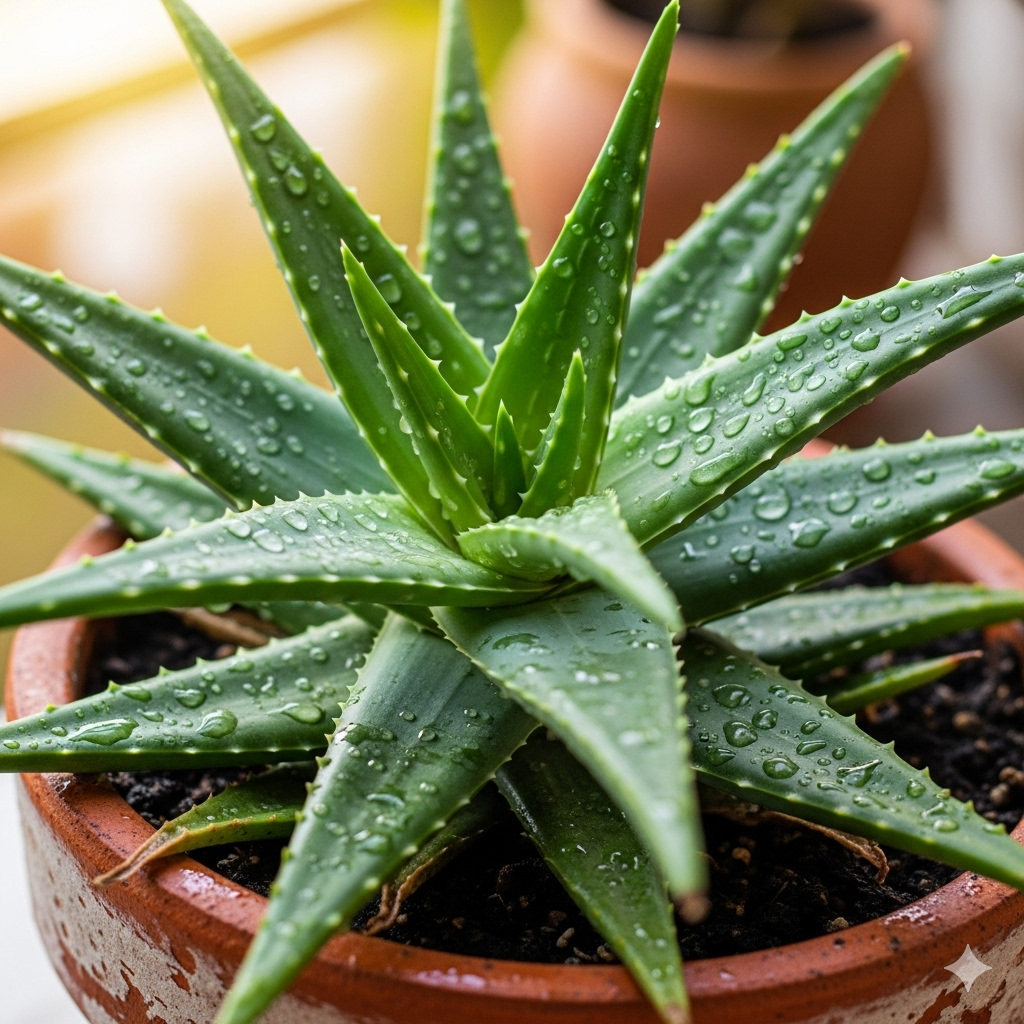
Aloe vera is one of the most popular houseplants, valued for both its ornamental appeal and its practical uses. Recognized by its thick, fleshy leaves filled with soothing gel, aloe vera has long been cultivated for its medicinal properties, from skin care to digestive health. But beyond its benefits, aloe vera is also admired for being low-maintenance and easy to grow indoors. The key to keeping this plant healthy lies in one simple factor: sunlight.
Aloe vera thrives when it receives the right amount of light. Too little, and the plant becomes weak and leggy; too much, and its leaves may scorch. Finding the perfect sunny spot ensures that your aloe vera not only survives but thrives, offering lush green foliage and strong growth.
Understanding Aloe Vera’s Natural Habitat
To properly care for aloe vera, it helps to look at where the plant comes from. Native to arid regions of Africa and the Arabian Peninsula, aloe vera is accustomed to hot, sunny climates. It has evolved to store water in its leaves, allowing it to withstand long periods of drought. In its natural environment, aloe vera is exposed to hours of bright sunlight daily.
This natural background gives us a clue: aloe vera loves sun. However, when grown indoors, the intensity of direct sunlight through windows can sometimes be too strong, so balance is essential.
How Much Sun Does Aloe Vera Need?
Aloe vera plants require about 6–8 hours of bright, indirect sunlight per day to stay healthy. The ideal placement is near a south-facing or west-facing window, where the plant receives plenty of light throughout the day. If you have an east-facing window, the softer morning sun can also work well.
If your aloe vera receives too little light, you’ll notice signs such as thin, stretched-out leaves that bend toward the light source. On the other hand, too much intense, direct sun can cause sunburn, turning the leaves brown or reddish.
Indoor Light Conditions and Adjustments
If you’re growing aloe vera indoors, observe how sunlight enters your home at different times of day. A bright windowsill with filtered light is ideal. If your window provides harsh afternoon sun, you can use a sheer curtain to diffuse the rays and prevent leaf damage.
For homes with limited natural light, supplementing with artificial grow lights is a good solution. Position the aloe vera about 12–18 inches below the light, and keep it illuminated for 12–14 hours daily to mimic its natural exposure.
Outdoor Aloe Vera Placement
If you live in a warm climate, aloe vera can thrive outdoors. Place it in a spot where it receives full to partial sunlight. However, if your plant has been growing indoors, don’t place it directly in strong outdoor sun right away. Gradually introduce it to brighter light by moving it outdoors for a few hours each day until it adjusts. This prevents shock and sunburn.
Signs Your Aloe Vera Is Not Getting the Right Light
Your aloe vera will give you clear signs if its lighting conditions aren’t ideal:
-
Pale or leggy growth: Not enough light.
-
Leaves bending or stretching: The plant is reaching for more sunlight.
-
Brown, crispy tips or reddish leaves: Too much direct sunlight.
-
Slow growth: Inadequate light levels over time.
By monitoring these signals, you can make quick adjustments to improve your plant’s environment.
Balancing Sunlight With Other Care Needs
While sunlight is crucial, aloe vera also depends on proper watering and soil conditions. Because it is a succulent, it prefers dry conditions and should never sit in soggy soil. Water thoroughly, then allow the soil to dry completely before watering again. Overwatering is a more common problem than underwatering with aloe vera.
Use a well-draining cactus or succulent mix to keep the roots healthy. Combined with the right sunny spot, these conditions will keep your plant strong and vibrant.
Best Spots to Place Aloe Vera Indoors
Here are some of the best indoor locations for aloe vera:
-
South-facing windowsills: The top choice for maximum sunlight.
-
West-facing windows: Good for afternoon light, but use curtains to diffuse strong rays.
-
Bright kitchens or sunrooms: Natural spots where aloe vera can enjoy steady light.
-
Offices or darker rooms: If natural light is scarce, use a grow light to keep the plant happy.
Rotate your aloe vera every few weeks to ensure all sides receive even light exposure. This prevents the plant from leaning toward one direction.
Final Thoughts
Aloe vera is an incredibly rewarding plant, offering both beauty and practical benefits. While it is tolerant of a variety of conditions, sunlight is the most important factor in its care. Aim for 6–8 hours of bright, indirect light daily, and adjust placement as needed to prevent stress from too much or too little exposure. By finding the perfect sunny spot and pairing it with proper watering and soil care, your aloe vera will thrive for years, providing lush growth and the natural healing properties it is famous for.